
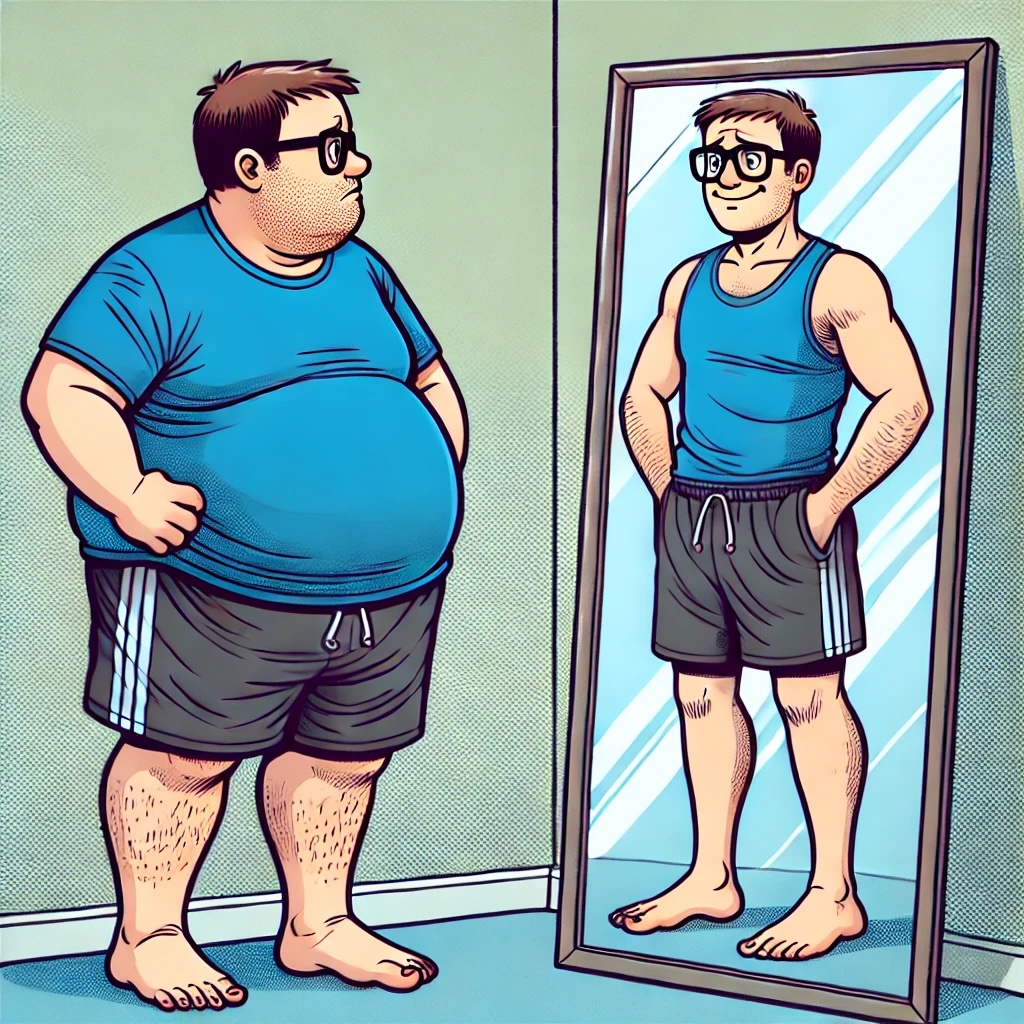
Most people fail at fitness goals because they go too big, too fast. You don’t need to become an athlete overnight — just stop setting yourself up for failure.
Think of fitness goals like parenting — you wouldn’t expect your kid to go from crawling to running a marathon in a week, right? Same applies to you.
Here’s how to set goals that don’t suck and actually stick to them.
1. Use SMART Goals (Not Dumb Ones)
Ever heard of SMART goals? I’ll tell you anyway because it’s not some corporate nonsense — it actually works:
- Specific — Goals should be clear and well-defined, meaning you know exactly what you want to achieve without any guesswork
- Measurable — You need a way to track your progress so you can see improvements over time and know when you’ve hit your target.
- Achievable — Goals should be challenging but still within reach. Something that pushes you forward without setting you up for failure.
- Relevant — Your goal needs to make sense for your lifestyle and long-term vision, not just something that sounds impressive.
- Time-bound — There should be a deadline, a timeframe that keeps you accountable and prevents endless procrastination.
Bad Goals vs. SMART Goals
❌ Bad Goal: “I want to lose weight.” — Too vague, no direction.
✅ SMART Goal: “I will lose 2kg in six weeks.” — Specific.
❌ Bad Goal: “I’ll start working out.” — No way to measure progress.
✅ SMART Goal: “I will go to the gym three times a week for at least 45 minutes.” — Measurable.
❌ Bad Goal: “I’m going to bench 100kg soon.” — Not realistic for a beginner.
✅ SMART Goal: “I will increase my bench press by 5kg in the next two months by training twice a week.” — Achievable.
❌ Bad Goal: “I’ll try yoga.” — Doesn’t connect to a long-term goal.
✅ SMART Goal: “I will do a 10-minute yoga session twice a week to improve flexibility and reduce stress.” — Relevant.
❌ Bad Goal: “I’ll get fit… someday.” — No deadline means no urgency.
✅ SMART Goal: “I will complete a 5K run in three months by following a beginner training plan.” — Time-bound.
2. Track Progress, Not Perfection
You don’t need fancy apps, programs or spreadsheets. Pick a method that works for you:
- Notebook (write what you did).
- Habit tracker (tick off each day).
- Smartwatch (let it guilt-trip you into moving).
Why It Works?
- Seeing progress = motivation boost.
- You’ll notice small improvements that keep you going.
- Tracking keeps you accountable.
3. Fix Your Mindset: Expect to Suck at First
Most people quit because they expect progress to be quick and easy. But reality check — starting something new usually feels awkward, exhausting, and frustrating. The key is to push through the early struggles and let consistency do its job.
- The first few weeks? You’ll feel weak, slow and awkward.
- Progress isn’t linear — some days will be crap. You’ll have workouts where everything feels heavy, slow and unmotivating. That’s normal, and it happens to everyone.
- At some point, you’ll hit a plateau. That’s when you feel like you’re doing everything right but not seeing results. It’s frustrating, but it’s also a sign that your body has adapted.
- Motivation fades. That’s where habits kick in.
What Helps?
- Setbacks = normal. Just get back on track.
- Find small wins. (E.g., “Last month I could do 5 squats, now I can do 10.”)
- Remember why you started — Not for abs, but to not feel like crap.
4. Adjust Goals When Needed (Not When You Feel Lazy)
Setting a goal isn’t a one-and-done deal. At some point, you’ll realize that what worked in the beginning might not be enough anymore or maybe it’s too much. That’s when adjustments come in. The key is knowing the difference between a necessary change and just making excuses to slack off.
- Too easy? Increase reps, distance or weight.
- Too hard? Scale down but don’t stop.
- If you hit a plateau? Adjust, don’t quit. The key is to change things up — adjust your routine, increase intensity or simply stay consistent until you push through.
Examples
- Struggling with 5 gym days? Drop to 3.
- Running kills your knees? Switch to cycling.
- Injured a leg? Train arms while recovering.
- Can’t lose weight? Fix your diet before blaming exercise.
5. Reward Yourself (Without Sabotaging Progress)
Sticking to a fitness plan takes effort, and recognizing small wins along the way can keep you going. But rewards should actually support your progress, not undo it. The key is to reinforce good habits without falling into the trap of treating yourself with things that set you back.
- Not with junk food! (Congrats, you worked out. Here’s 2,000 bad calories.)
- Do something that makes you happy:
- Buy new workout gear.
- Watch an extra episode guilt-free.
- Take a rest day without feeling bad.
Why It Works?
- Positive reinforcement keeps you going.
- Makes the process enjoyable, not punishment.
Final Thoughts (AKA No More Excuses)
- Small, consistent changes beat all-or-nothing thinking.
- Track, adjust, and don’t quit because of one bad day.
- What’s your next goal? Pick one NOW and start.
Next Steps
Want a simple fitness plan that actually works when you 40+ and never trained before? Stay tuned — I’ll be sharing mine soon.
 Sack of Burpees
Leave a comment